Should You Repair or Replace Your House Siding? A Hutchinson, Kansas Homeowner's Guide
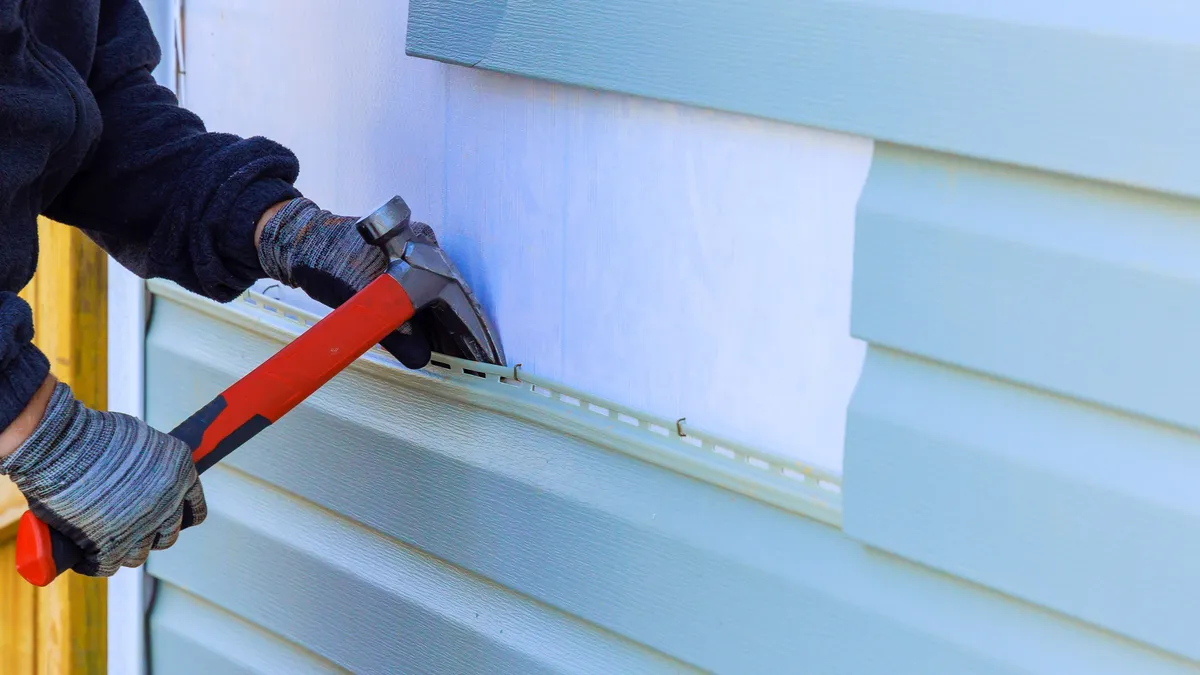
A damaged piece of siding doesn't automatically mean you need to replace an entire wall. In many cases, a single cracked panel or a few loose boards can be repaired. The bigger question is whether the damage is isolated or a sign of a problem underneath. For homeowners in Hutchinson, Kansas, where wind, hail, summer heat, and sudden temperature changes can take a toll on an exterior, knowing the difference can save money and prevent headaches later.
Start With What You Can See
Walk around the house on a dry day and look at the siding from several angles. You don't need to climb a ladder or pull anything apart. You're simply looking for changes.
A few things deserve a closer look:
- Cracks, holes, or panels that have pulled loose
- Warped, buckled, or unusually wavy sections
- Soft spots, swelling, or peeling paint on wood-based siding
- Dark staining, persistent dampness, or mold-like growth
- Gaps around windows, doors, corners, and trim
Not every mark is serious. A shallow dent may be mostly cosmetic, while a small opening near a window could let rain reach the wall behind it. Location matters as much as size.
If you notice water stains inside the house near the damaged area, don't assume replacing the visible siding will solve everything. The source of moisture needs to be identified first.
Can You Replace Just One Piece of Siding?
Often, yes. Many siding systems are designed so individual pieces can be removed and replaced. Whether the repair blends in depends on the material, the age of the siding, and how easy it is to find a matching product.
With vinyl siding, an installer can often unlock the surrounding panels and replace a damaged section. The challenge is finding the same profile and color. Sunlight gradually changes the appearance of older vinyl, so even a factory-matched replacement may look a little brighter.
Fiber cement siding can also be repaired in sections, although removing a board without damaging neighboring pieces takes care. Engineered wood and traditional wood siding may allow individual board replacement, provided the surrounding material is still sound.
Metal siding can sometimes be repaired panel by panel, but dents, special profiles, and discontinued finishes may complicate the work.
The key point is that a single damaged piece doesn't necessarily justify a full replacement. Ask whether a localized repair will restore both the appearance and the weather protection of the wall.
Siding Materials You May Encounter Around Hutchinson
Homes in Hutchinson and nearby communities such as South Hutchinson, Buhler, Nickerson, and Haven vary widely in age and construction. You may encounter vinyl, wood, fiber cement, engineered wood, or metal siding, sometimes with more than one material on the same house.
Vinyl Siding
Vinyl is relatively low-maintenance and individual panels are often replaceable. Hail can crack it, especially when the material has become brittle with age. Strong winds can loosen panels that weren't fastened or locked correctly. A repair should leave room for the panels to expand and contract as temperatures change. If you are considering an upgrade, insulated vinyl siding with a foam backing may provide extra support against smaller impacts, such as rocks kicked up by a lawn mower, and may improve resistance to some hail damage. It is not hail-proof, so compare the specific product’s impact rating and warranty before choosing it.
Fiber Cement Siding
Fiber cement resists many common weathering problems, but boards can still chip, crack, or suffer from poor installation. Pay attention to joints, clearance above the ground, and the condition of the paint or factory finish. Replacing one board may be possible, but matching texture and finish can take some effort.
Engineered Wood Siding
Engineered wood gives a painted-wood appearance and is used on both newer and remodeled homes. Damaged coatings, exposed cut edges, and poorly sealed joints can allow moisture to cause swelling. Replacing a visibly damaged board without addressing the water entry point may only postpone the problem.
Traditional Wood Siding
Wood is repairable, and a carpenter can often replace individual boards or trim pieces. The bigger concern is rot that extends beyond the surface. Probe suspicious areas gently from the ground, without puncturing sound material, and have soft or crumbling sections assessed before painting over them.
Metal Siding
Steel and aluminum siding can last a long time, but hail may leave dents and impact damage can affect coatings. A dent isn't always a leak. Look for punctures, opened seams, or loose fasteners before deciding how urgently it needs attention. Some aluminum siding systems can be installed with a compatible foam backing that gives the metal more support. That may help with minor impacts, although it won't prevent every dent, especially from larger hail. Ask which backing systems are approved for the siding you choose.
What About Hail and Wind Damage?
After a Kansas storm, it's tempting to focus on the most visible marks. Start with a careful ground-level inspection instead. Look for cracked vinyl, bent trim, loose panels, and damage around windows. Photograph what you find before making temporary changes.
Hail damage doesn't look the same on every material. Vinyl may crack, metal may dent, and painted products may show chips or fractures. Wind can also pull at corners and edges, creating openings that aren't obvious from the street.
If you're considering an insurance claim, review your policy and document the damage. Coverage depends on the policy, the cause of loss, and the insurer's assessment. A siding company's inspection can help describe the scope of repairs, but it doesn't determine what an insurer will pay.
When a Small Repair Makes Sense
A targeted repair is often reasonable when the damage is limited, the surrounding siding is in good condition, and replacement pieces are available. One cracked panel from a stray baseball, a short section loosened by wind, or a few weathered wood boards may fall into this category.
It's also worth asking whether a repair can be done without disturbing a large portion of the wall. Sometimes labor to carefully remove and reinstall neighboring materials becomes a significant part of the cost.
A good repair should address the cause of the damage, not simply hide it. If a panel keeps coming loose, for example, the fastening or installation details may need attention.
When Replacing a Wall or the Whole House Makes More Sense
Replacement becomes more attractive when damage is widespread, the siding is near the end of its useful life, or moisture has affected the materials beneath it. Extensive fading and discontinued siding profiles can also make patchwork repairs difficult to match.
You don't always have to replace the whole house. Replacing one elevation, meaning one side of the home, can be a practical middle ground when the rest is in good condition. A natural corner or trim transition can help the new siding look intentional.
Before committing to a large project, ask what the inspection found behind any damaged areas and whether the proposed work includes flashing, housewrap or another appropriate water-resistive barrier, and necessary trim repairs. Siding sheds weather, but the layers behind it help protect the home when wind-driven rain gets through.
How Much Will It Cost?
There isn't a reliable single price for siding repair in Hutchinson. A straightforward panel swap is very different from repairing water-damaged sheathing around a window. Material availability, access, the height of the wall, and the amount of removal required all affect the estimate.
For a useful comparison, request an itemized description of the work rather than focusing only on the total. Ask which materials will be replaced, how the company will handle color matching, whether hidden damage could change the price, and what workmanship warranty applies.
If one estimate recommends a small repair and another recommends full replacement, ask each company to explain the condition that led to that recommendation. The explanation is often more useful than the number alone.
Can You Repair Siding Yourself?
Before attempting a repair, check any remaining warranties from the siding manufacturer and the company that installed it. Unauthorized repairs, unapproved materials, or changes to the installation could affect coverage, depending on the warranty terms.
Some small maintenance jobs are manageable for a careful homeowner. Cleaning dirt from siding, checking visible gaps from the ground, or replacing an easily accessible piece when you understand the manufacturer's instructions may be reasonable.
Be cautious about sealing every opening with caulk. Some siding systems need drainage and ventilation gaps, and sealing them can trap water. Avoid working from ladders in windy conditions, cutting materials without the proper dust precautions, or opening a wall when you suspect concealed moisture damage.
If the job involves a high wall, significant storm damage, or rotten material beneath the siding, a qualified siding professional can help determine the safest repair.
Questions Worth Asking Before You Hire Someone
You don't need to know all the construction terminology to have a productive conversation. A few plain questions can tell you quite a bit:
- Can the damaged pieces be replaced without redoing the whole wall?
- Is there evidence of water damage behind the siding?
- How closely will the new material match the old?
- What is included in the quote, and what might cost extra?
- Will the repair preserve the manufacturer's installation requirements?
Homeowners around Hutchinson should also confirm that a siding company serves their address and understands any applicable local permit requirements.
The Bottom Line
If the damage is isolated and the rest of the siding is sound, a repair may be all your house needs. If you see repeated failures, widespread deterioration, or signs of moisture behind the wall, a larger replacement may be the more sensible investment.
You don't have to decide from the driveway. If you're unsure what you're looking at, request to be connected with a siding professional who can inspect the damage and explain your options. A clear assessment can help you choose the right amount of work, without replacing more siding than necessary.
Related reading: what to do about hail damage on your siding.